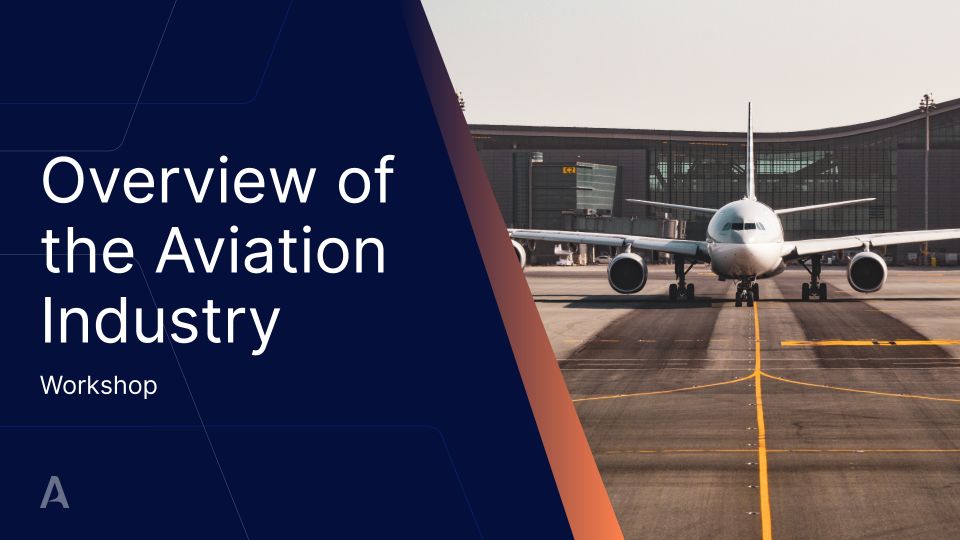
Overview of the Aviation Industry - Workshop
Build a solid foundation in the global air transport business - understand industry structure, economics, business models, and the airline - airport ecosystem.
Course description
Learning outcomes
Who should attend
Meet your instructor

Enda Corneille
With over 37 years in aviation, and having held senior roles in Aer Lingus and Emirates, Enda Corneille is a highly experienced, commercially focused, and versatile aviation consultant and educator.
In addition to his extensive airline experience, Enda has delivered airline management training to a range of carriers as a global instructor with IATA in Geneva. He lectures in Change Management for the MSc Management (Aviation Leadership) at Dublin City university and delivers lectures in aviation management to both Under and Post-Grad students at the University of Limerick.
He is visiting lecturer to Cranfield University in the UK and holds a first class honors MBA in aviation management. Away from aviation, Enda is the Chairman of the Arab Irish Chamber of Commerce.
In his spare time he enjoys travel, cooking, playing guitar and golf.
You're never too old to learn something new everyday.
Why you should attend?
Aviation is often perceived as a simple business of selling tickets and moving passengers from one point to another. However, the reality is much more complex: the sector is highly regulated, capital-intensive, competitive, and characterized by thin margins.
Understanding the fundamentals of how air transport functions is increasingly valuable as the industry continues to evolve - driven by market demand, technological innovation, capacity constraints, regulatory changes, sustainability pressures, and shifting business models.
This workshop helps participants appreciate the full ecosystem behind airline operations, including how networks are built, how fleets are selected, how revenues are generated, and how costs are controlled. Developing this broad perspective is essential for anyone wishing to collaborate effectively within the sector or move from a single-silo role into broader aviation responsibilities.
Related courses
Aeroclass offers online courses from leading industry professionals. Learn anytime, anywhere, and master practical skills to advance your career.

- Video Course
Writing a safety investigation report is a key element of the investigation process. No matter how much time, effort or funding has gone into an investigation a poorly written report will devalue the entire investigation process.
- Online or On-site
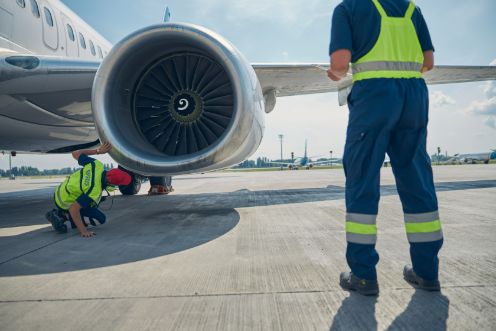
Explore how people, technology, and organizations interact in airport operations. Learn to manage error, fatigue, decision-making, and leadership to strengthen safety.


- Online or On-site
Gain a structured understanding of aviation Search and Rescue systems, coordination, planning, and reporting to support effective SAR operations from alert to mission closure.

- Video Course
Discover how aviation is tackling environmental challenges through innovation, sustainability, and new technology.

- Online or On-site
Explore and optimize every stage of the customer journey to strengthen direct sales channels and generate additional revenue opportunities.

- Online or On-site
Strengthen aviation quality assurance and compliance monitoring systems to ensure regulatory conformity, operational consistency, and continuous improvement.
- Video Course
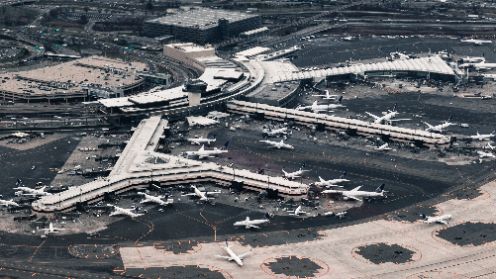
Gain a practical overview of airport processes, regulations, stakeholders, and passenger handling to ensure safe and efficient terminal and airside operations.

Lift your aviation career off the ground
- Check your knowledge with quizzes
- Study on different devices
- Aviation management courses
- Certified courses
- Classes
- Obtain Aeroclass Certificate